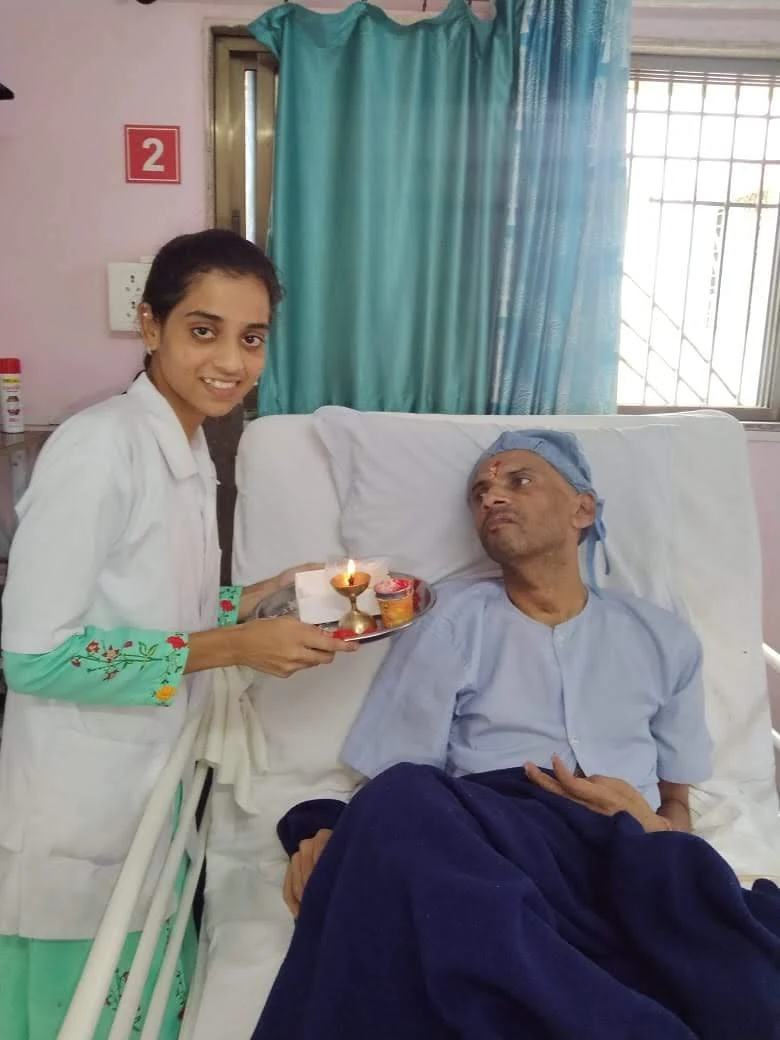
This guide helps families understand the question and prepare for a conversation with the patient’s treating team. Care should always reflect the individual’s condition, wishes and medical plan.
Make a practical care plan
Paralysis can change mobility, hygiene, bladder or bowel care and skin risk. Work with clinicians on positioning, transfers and equipment. Keep emergency contacts and a list of medicines available to caregivers.
Protect the caregiver too
Ask for demonstrations before attempting unfamiliar movements. Family members can share tasks and seek support if care is becoming difficult to provide safely. Rehabilitation may help maintain function, depending on the cause and extent of paralysis.
Plan the home environment
Ask about safe transfers, bathroom access, pressure relief and equipment before discharge. Decide who can help during the night and what happens if a caregiver is unavailable. A written contact list and clear escalation plan are as useful as equipment. Do not attempt an untrained lift or use exercises copied from another diagnosis.
What to ask the care team
- What is most important to address for this patient today?
- Which changes should prompt a call or urgent medical assessment?
- What can family caregivers do safely, and what needs trained support?
If your family needs professional help, learn more about our stroke and paralysis patient care in Pune.
Further reading: NHS: Recovering from a stroke.
About this guide: Prepared for general patient and caregiver education by Jeevan Jyoti Palliative Care And Patient Care Center.
Medical Disclaimer: This information is for general education only and should not be used as a substitute for diagnosis or treatment from a qualified medical professional. Seek immediate medical care in an emergency.