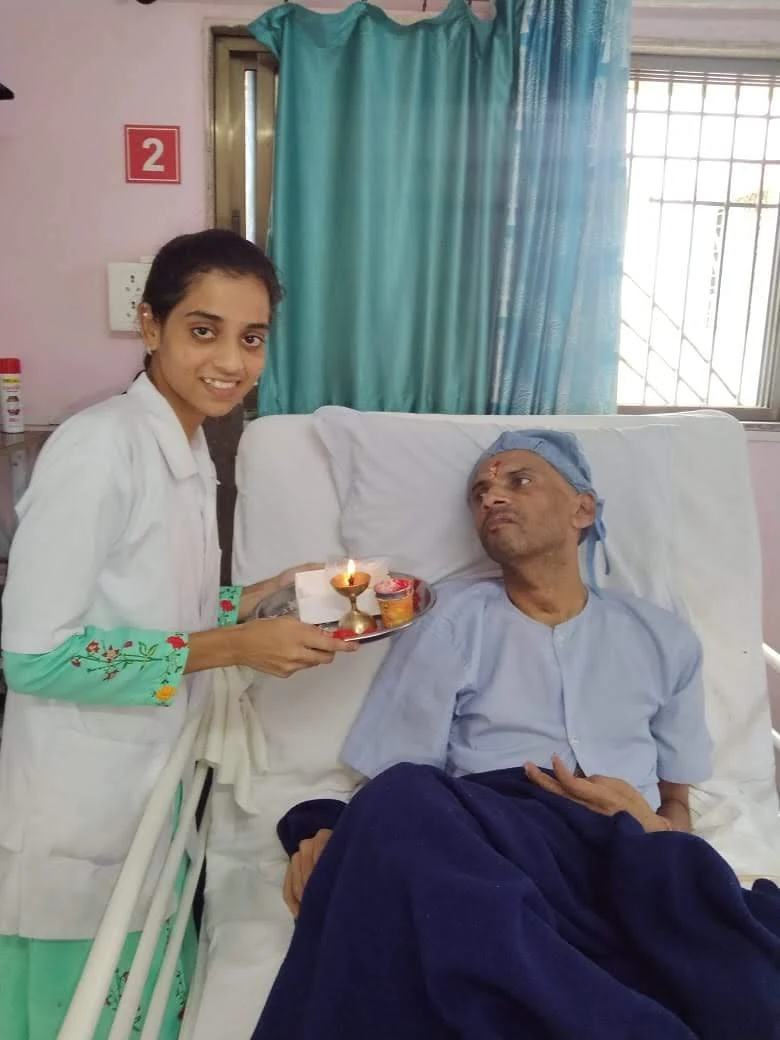
This guide helps families understand the question and prepare for a conversation with the patient’s treating team. Care should always reflect the individual’s condition, wishes and medical plan.
Work with current ability
Physiotherapy may address sitting, standing, walking, balance, strength or safe transfers. The plan depends on weakness, medical stability, pain and the patient’s goals. A therapist should assess before recommending exercises.
Link therapy to daily life
Ask how skills practised in therapy can be used during ordinary routines and which family assistance is safe. Sessions may need adjustment over time. If new symptoms or unusual fatigue appear, inform the treating team.
Why assessment comes first
The therapist needs to understand strength, balance, sensation, fatigue, pain and medical restrictions. Exercises should be chosen for that person and adapted if symptoms change. Families can support practice by following the demonstrated plan, leaving time for rest and reporting new pain or dizziness. Therapy cannot guarantee walking or a fixed recovery timetable.
What to ask the care team
- What is most important to address for this patient today?
- Which changes should prompt a call or urgent medical assessment?
- What can family caregivers do safely, and what needs trained support?
If your family needs professional help, learn more about our physiotherapy and rehabilitation.
Further reading: NHS: Recovering from a stroke.
About this guide: Prepared for general patient and caregiver education by Jeevan Jyoti Palliative Care And Patient Care Center.
Medical Disclaimer: This information is for general education only and should not be used as a substitute for diagnosis or treatment from a qualified medical professional. Seek immediate medical care in an emergency.