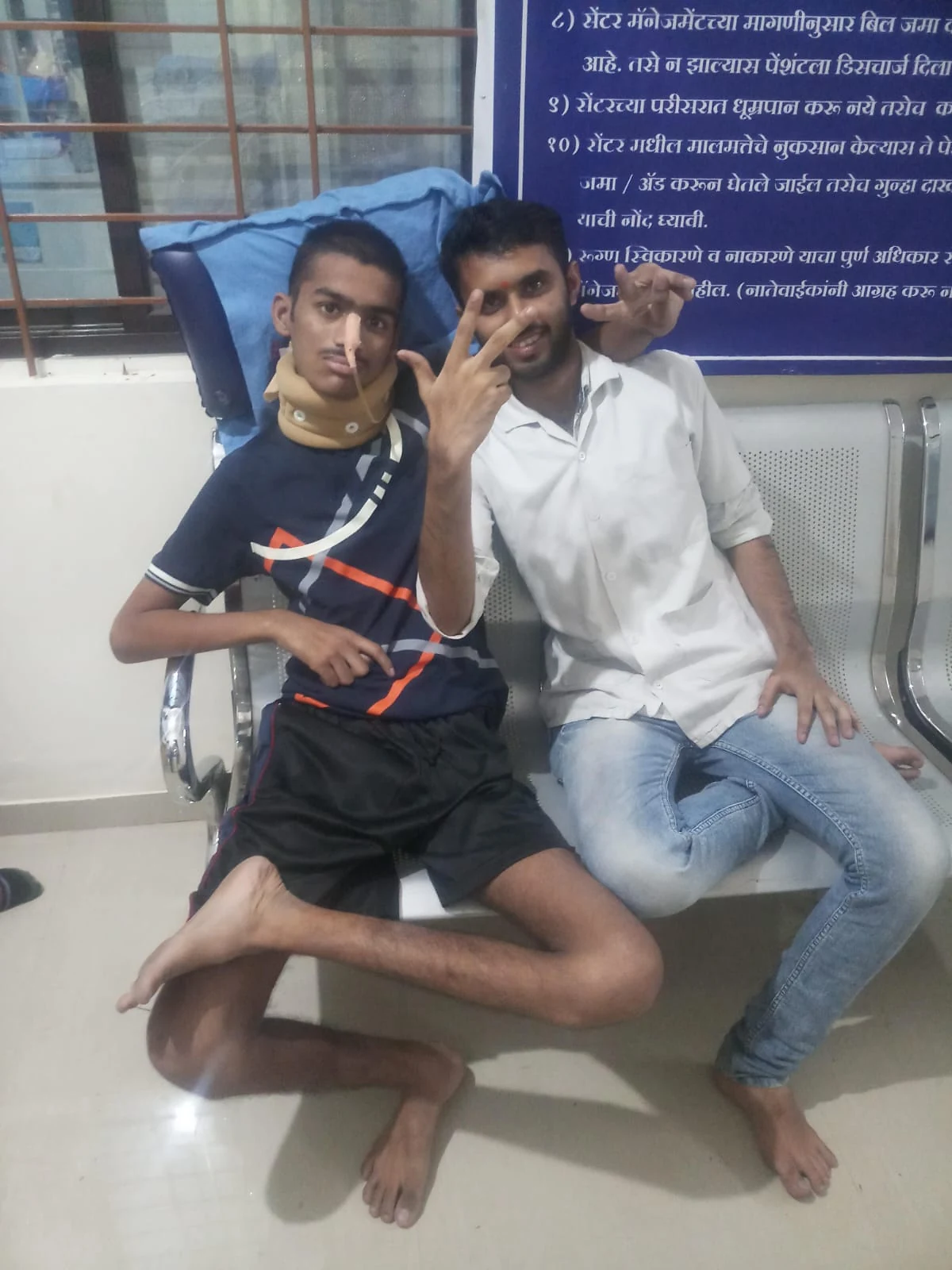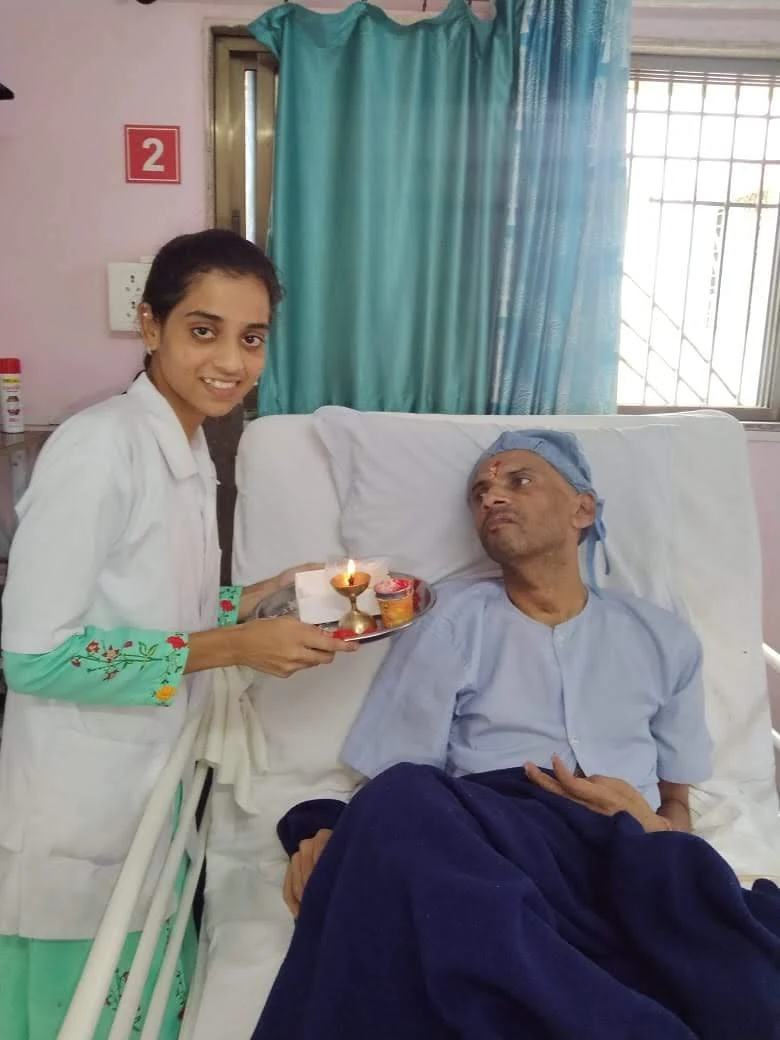
This guide helps families understand the question and prepare for a conversation with the patient’s treating team. Care should always reflect the individual’s condition, wishes and medical plan.
Plan the day around safety and dignity
A bedridden person may need help with washing, meals, medicines, positioning and communication. Keep a simple record of changes in comfort, appetite, skin and alertness. Ask the treating team which tasks require trained assistance.
Coordinate the care plan
Confirm how to move the person safely, which equipment is suitable and who reviews the plan. Family caregivers should be shown any transfer or positioning technique before trying it. Seek clinical advice when new pain, fever, breathing difficulty or a change in consciousness occurs.
A practical daily checklist
Discuss skin inspection, washing, mouth care, meals and fluids, prescribed medicines, safe movement and time for conversation. Note whether the person can ask for help, use the toilet, swallow safely or express discomfort. A simple handover between caregivers prevents important changes from being missed, especially when care continues through the night.
Equipment and family training
A suitable bed, pressure-relieving surface or mobility aid may help, depending on assessment. Ask staff to show family members how to support a turn or transfer and which movements to avoid. Do not lift a patient alone if the technique is unclear. Check whether the care setting can meet needs such as oxygen, suction or wound care before making an admission decision.
Skin, food and comfort are connected
Someone who cannot move easily may also have reduced appetite, pain or moisture on the skin. These concerns can affect one another, so separate checklists are not enough. Ask the treating team to review nutrition, hydration, skin risk and movement together. If swallowing is difficult or fluids are restricted, follow the individual plan rather than general online advice.
When the family needs more help
Consider whether the person needs assistance throughout the day and night, whether medicines or equipment require trained staff, and whether caregivers can rest. A centre visit can help you ask about nursing, physiotherapy, family communication and escalation when symptoms change. In Manjari near Hadapsar, Jeevan Jyoti can discuss what support fits the person’s current condition.
What to ask the care team
- What is most important to address for this patient today?
- Which changes should prompt a call or urgent medical assessment?
- What can family caregivers do safely, and what needs trained support?
If your family needs professional help, learn more about our bedridden patient care in Pune.
Further reading: MedlinePlus: Preventing pressure ulcers.
About this guide: Prepared for general patient and caregiver education by Jeevan Jyoti Palliative Care And Patient Care Center.
Medical Disclaimer: This information is for general education only and should not be used as a substitute for diagnosis or treatment from a qualified medical professional. Seek immediate medical care in an emergency.