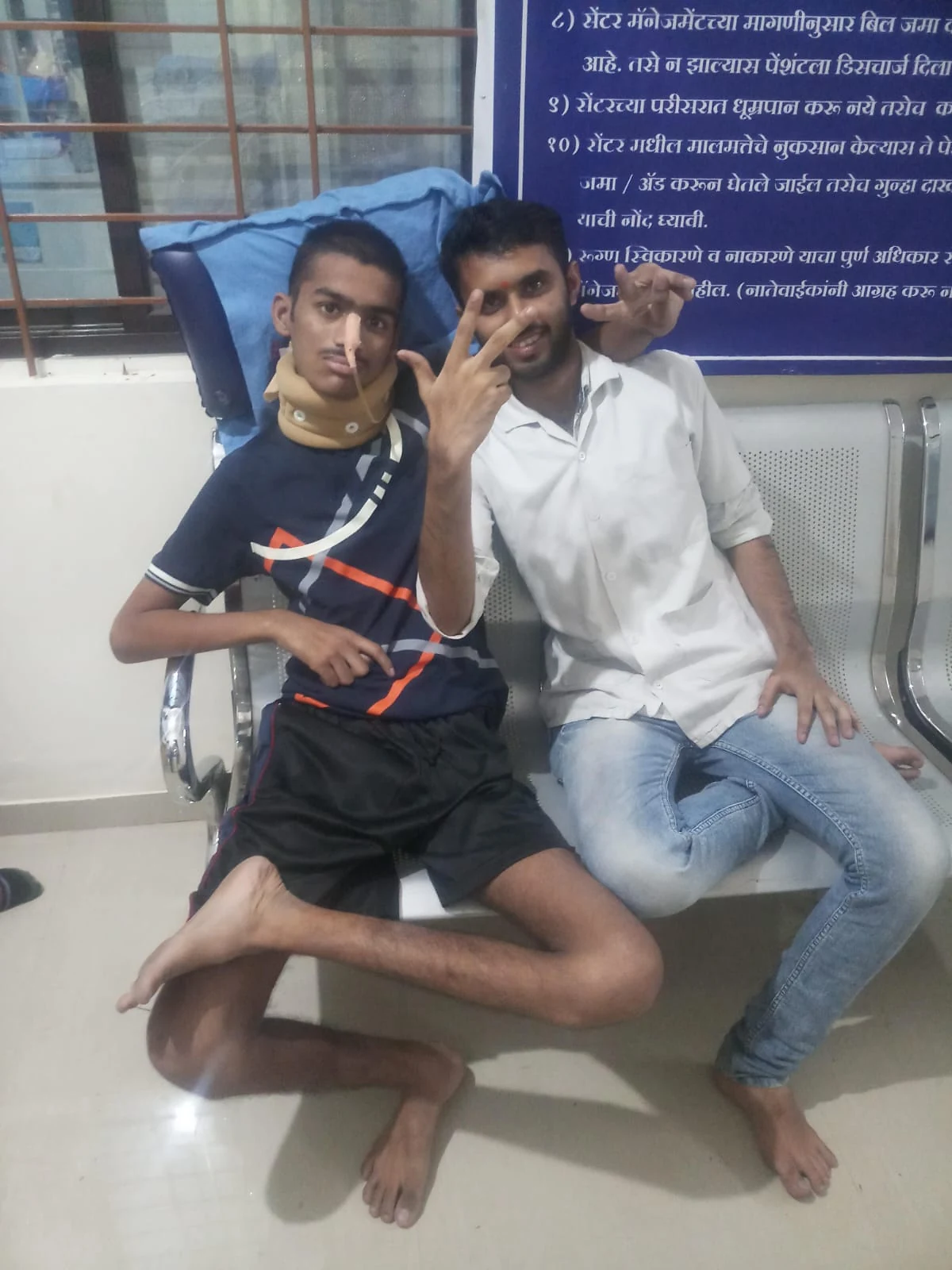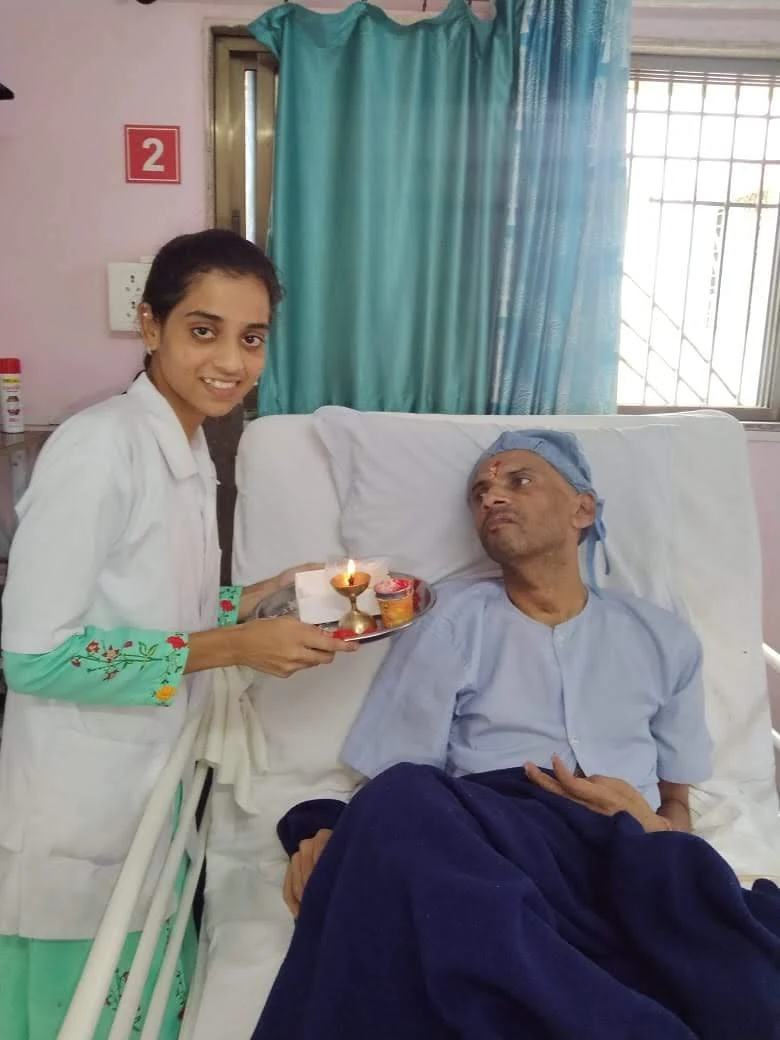
This guide helps families understand the question and prepare for a conversation with the patient’s treating team. Care should always reflect the individual’s condition, wishes and medical plan.
Changes worth reporting
Limited movement can bring skin problems, stiffness, discomfort, constipation, reduced appetite and loneliness. These do not affect everyone equally. Keep track of what changes from the patient’s usual pattern and report concerns to the treating clinician.
Support the whole person
Ask about a suitable movement plan, nutrition and hydration, skin checks and meaningful conversation. The patient’s privacy and preferences still matter. A care team can help families distinguish routine needs from symptoms needing prompt medical assessment.
Keep a useful record
Write down new redness, changes in bowel habits, reduced intake, sleep disruption, pain and changes in alertness. Note when a concern began and what has already been tried under medical advice. This makes it easier for the treating team to decide whether care can be adjusted or whether an examination is needed.
What to ask the care team
- What is most important to address for this patient today?
- Which changes should prompt a call or urgent medical assessment?
- What can family caregivers do safely, and what needs trained support?
If your family needs professional help, learn more about our bedridden patient care in Pune.
Further reading: MedlinePlus: Preventing pressure ulcers.
About this guide: Prepared for general patient and caregiver education by Jeevan Jyoti Palliative Care And Patient Care Center.
Medical Disclaimer: This information is for general education only and should not be used as a substitute for diagnosis or treatment from a qualified medical professional. Seek immediate medical care in an emergency.