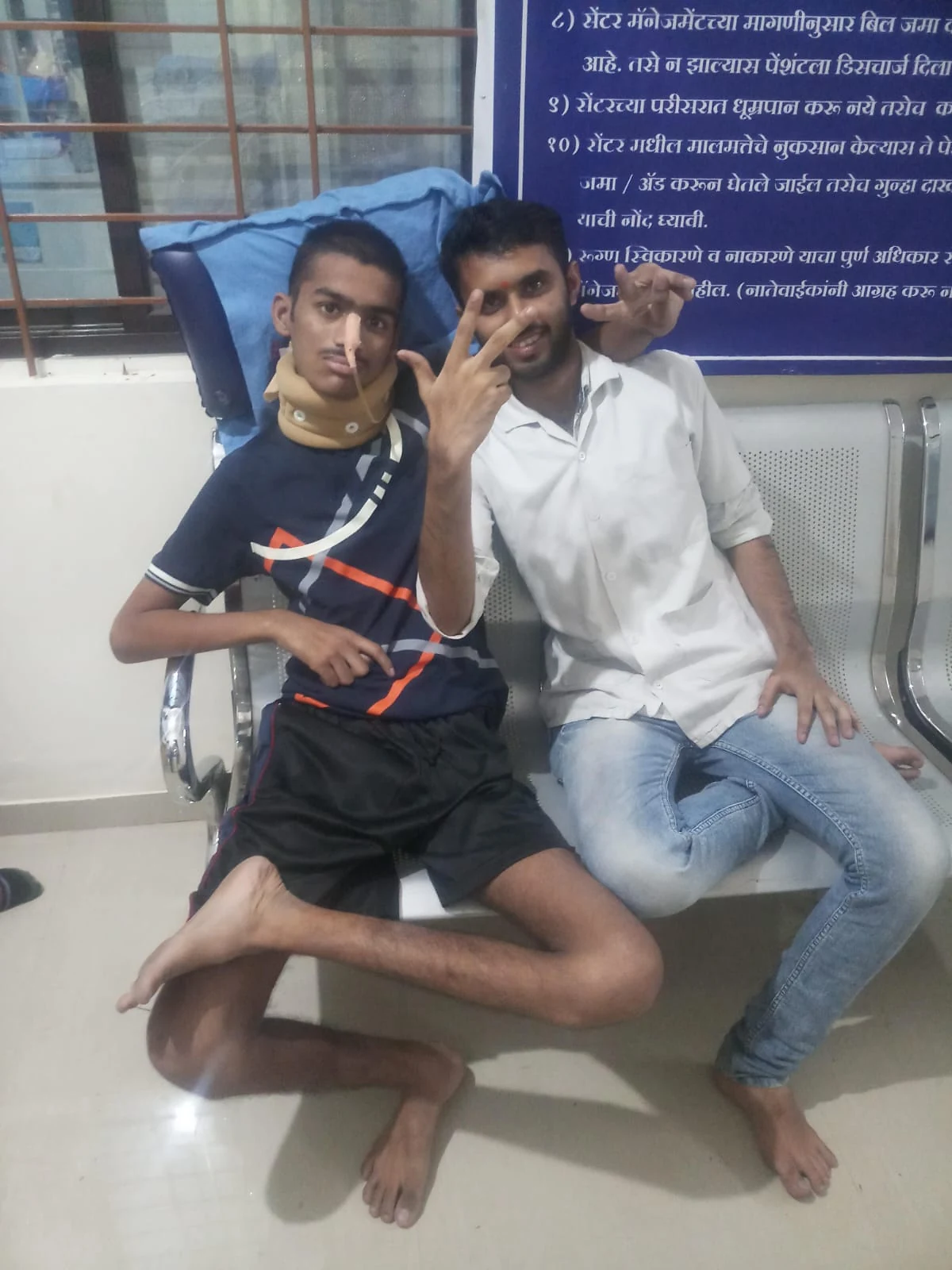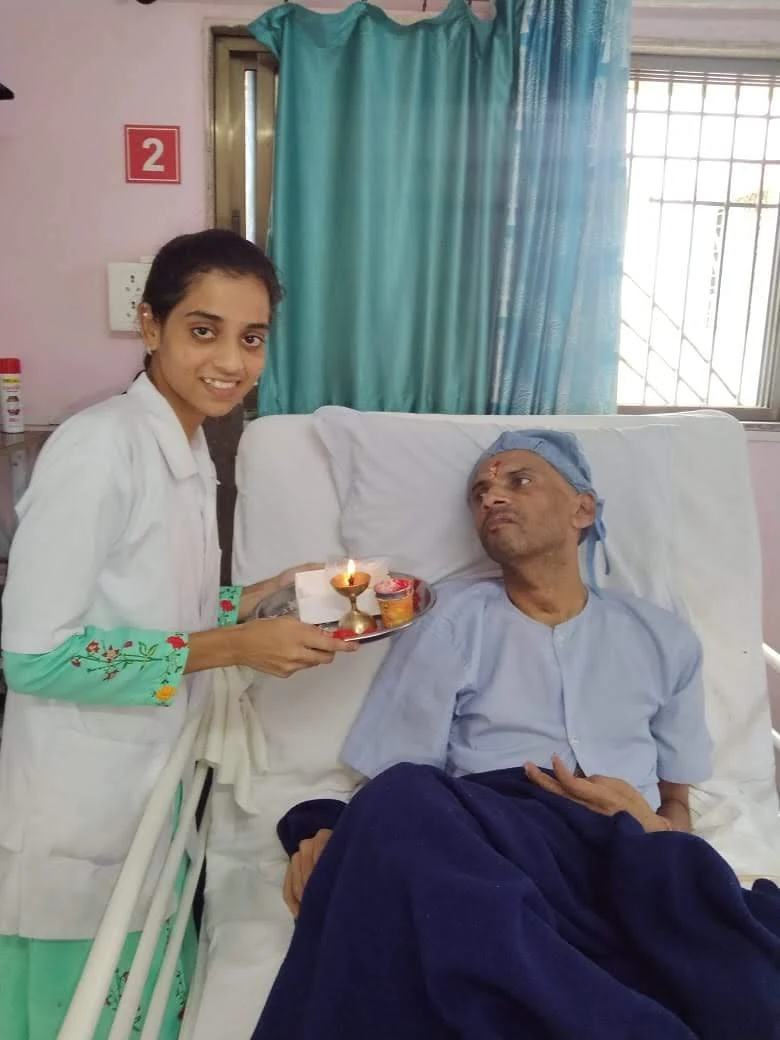
This guide helps families understand the question and prepare for a conversation with the patient’s treating team. Care should always reflect the individual’s condition, wishes and medical plan.
Bring concerns into the open
Pain, fatigue, appetite changes and worry are worth discussing with the oncology team. Palliative care can help address symptoms and support decisions while cancer treatment continues, depending on the individual plan.
Include family needs
Caregivers may need help understanding medicines, daily care and whom to call if symptoms worsen. Write down questions and ask how the oncology and supportive-care teams will communicate. Do not change treatment without medical advice.
Coordinate the teams
The oncologist should know about new symptoms and any medicine changes. Ask who manages pain or nausea, how appointments are shared and what to do outside routine hours. Palliative support can address the burden of illness while cancer treatment continues, but the appropriate plan depends on the person’s condition and wishes.
What to tell the oncology team
Share how symptoms affect meals, sleep, movement and daily life, not just a pain score. Include medicines and supplements from every provider so interactions can be reviewed. Ask who will coordinate symptom advice and when a change needs urgent assessment. Supportive care may reduce distress, but it does not replace decisions about cancer treatment made with the oncology team.
What to ask the care team
- What is most important to address for this patient today?
- Which changes should prompt a call or urgent medical assessment?
- What can family caregivers do safely, and what needs trained support?
If your family needs professional help, learn more about our cancer patient care in Pune.
Further reading: US National Cancer Institute: Palliative care in cancer.
About this guide: Prepared for general patient and caregiver education by Jeevan Jyoti Palliative Care And Patient Care Center.
Medical Disclaimer: This information is for general education only and should not be used as a substitute for diagnosis or treatment from a qualified medical professional. Seek immediate medical care in an emergency.